Master of Science (M.Sc.) – Forensic Science & Criminology

Loreum Ipsum
About the School
The School of Forensic Science and Criminology at Dr. RVR NRI Institute of Technology Deemed University is dedicated to advancing education, research, and professional expertise in forensic investigation, criminal behavior studies, and justice-related sciences. The school aims to develop highly skilled professionals capable of applying scientific methods and criminological principles to support law enforcement, criminal investigations, forensic analysis, and public safety initiatives.
With experienced faculty, advanced laboratories, and a research-oriented curriculum, the school provides students with in-depth knowledge of forensic sciences, criminology, criminal justice systems, forensic psychology, crime scene investigation, and evidence analysis. Students gain practical exposure through laboratory training, case studies, field-based learning, and research activities that strengthen their investigative and analytical capabilities.
The academic environment promotes critical thinking, ethical responsibility, scientific accuracy, and problem-solving skills, enabling graduates to pursue successful careers in forensic laboratories, investigative agencies, correctional services, research institutions, and criminal justice organizations.
Academic Programs
The School of Forensic Science and Criminology offers advanced postgraduate programs designed to develop scientific expertise, investigative proficiency, and research competence.
Programs offered include:
Master of Science (M.Sc.) – Forensic Science & Criminology
A comprehensive postgraduate program covering forensic biology, forensic chemistry, criminological theories, criminal behavior analysis, forensic toxicology, crime scene investigation, forensic psychology, and criminal justice systems.
Advanced Investigation & Criminology Training
Specialized training modules designed to strengthen practical competencies in forensic examination, evidence management, crime analysis, investigative procedures, and criminological research methodologies.
Practical Learning & Industry Exposure
Hands-on learning opportunities through laboratory investigations, forensic case studies, crime scene simulations, and field-based activities that provide exposure to contemporary forensic and criminological practices.
Dissertation & Research-Based Learning
Research-oriented projects that encourage students to investigate criminal behavior, forensic technologies, evidence analysis, crime prevention strategies, and emerging challenges in criminal justice.
Laboratories & Infrastructure
The school provides modern infrastructure that supports practical learning, scientific experimentation, and advanced research.

Pharmaceutics Laboratory

Pharmaceutical Chemistry Laboratory
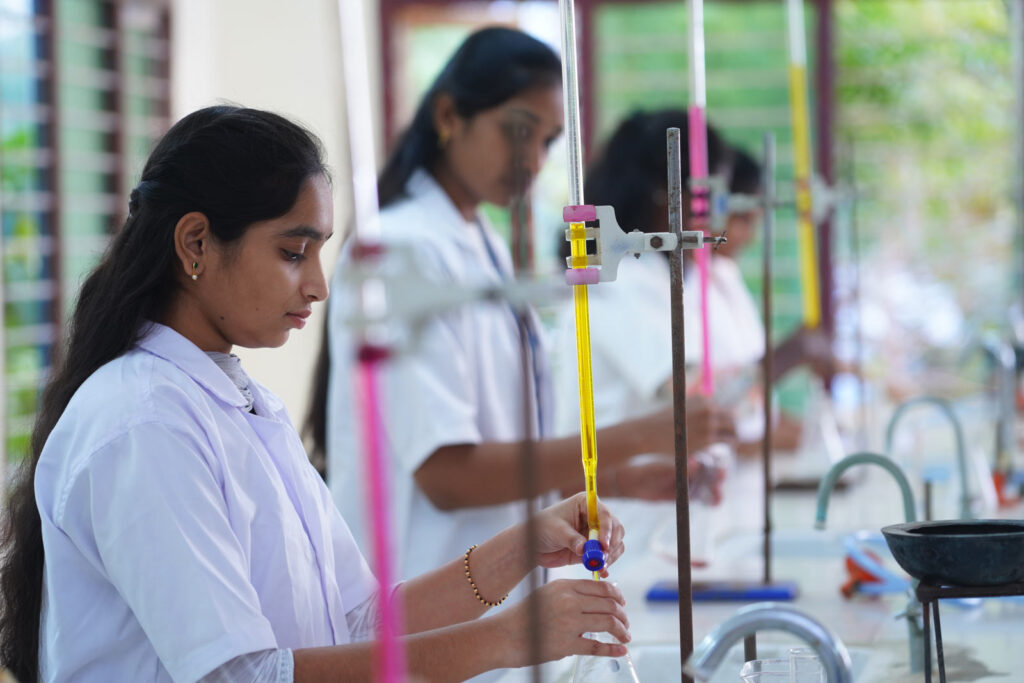
Instrumentation Laboratory

Drug Analysis Laboratory
Students gain hands-on experience using modern instruments and laboratory techniques employed in food processing, microbiological analysis, and chemical testing industries.
Research & Innovation
Research and innovation are central to the academic culture of the School of Forensic Science and Criminology. Faculty and students engage in research related to forensic identification, criminal profiling, forensic psychology, cybercrime, crime prevention, forensic toxicology, and emerging investigative technologies.
The school encourages interdisciplinary collaboration, participation in research projects, scientific conferences, criminology forums, and publication of scholarly work that contributes to advancements in forensic science and criminal justice.
Career Opportunities
Graduates from the School of Forensic Science and Criminology can pursue diverse career opportunities across forensic, investigative, legal, and public safety sectors.
- Forensic Science Laboratories
- Crime Investigation Agencies
- Criminology and Criminal Justice Services
- Law Enforcement Organizations
- Forensic Psychology and Behavioral Analysis Support
- Research & Development Institutions
- Government Forensic and Security Departments
- Doctoral Studies and Academic Careers
Industry & Professional Exposure
The school maintains strong collaborations with forensic laboratories, investigative agencies, law enforcement departments, legal organizations, research institutions, and public safety agencies. These partnerships provide students with internships, practical training, field exposure, and opportunities to engage with professional forensic and criminological practices.
Such engagement helps students understand investigative processes, legal frameworks, technological advancements, and industry standards while preparing them for successful professional careers.
Student Development
Beyond academics, the School of Forensic Science and Criminology encourages students to participate in workshops, forensic demonstrations, criminology seminars, research symposiums, legal awareness programs, and professional development activities.
These experiences help students strengthen analytical thinking, investigative skills, communication abilities, leadership qualities, teamwork, and professional confidence essential for careers in forensic science and criminology.
Join the School of Forensic Science and Criminology
At NRI University, students receive advanced education in forensic science and criminology supported by experienced faculty, modern laboratories, research opportunities, and professional exposure. The School of Forensic Science and Criminology is committed to developing competent investigators, forensic specialists, and researchers who will contribute to scientific investigation, crime prevention, public safety, and the advancement of criminal justice systems.