Bachelor of Science (B.Sc.) – Food Technology, Microbiology & Chemistry

Loreum Ipsum
About the School
The school focuses on developing highly skilled professionals capable of addressing the evolving challenges of food production, processing, safety, quality assurance, nutrition and sustainable food systems.
With experienced faculty, modern laboratories, and industry-aligned curricula, the school provides students with comprehensive knowledge in food technology, food microbiology, food chemistry, food preservation, quality control and product development. Students gain practical exposure through laboratory training, industrial visits, internships, and research-oriented learning experiences that strengthen their technical and analytical competencies.
The academic environment encourages innovation & scientific inquiry, preparing graduates for successful careers in the food processing, manufacturing, quality assurance, research and allied industries.
Academic Programs
The School of Food Technology offers structured programs designed to develop technical expertise, scientific knowledge, and industry-ready skills in food science and technology.
Programs offered include:
Bachelor of Science (B.Sc.) – Food Technology, Microbiology & Chemistry
A multidisciplinary undergraduate program that integrates food technology, microbiology, and chemical sciences to provide a strong foundation in food processing, food safety, quality management, nutrition, and innovative food product development.
Industry-Oriented Skill Development Programs
Specialized training modules designed to enhance practical competencies in food processing techniques, quality testing, food safety management, laboratory analysis, and industrial operations.
Laboratory Training & Experiential Learning
Hands-on learning opportunities through food analysis, microbiological testing, quality assessment, processing technologies, preservation techniques and industrial applications that provide exposure to contemporary food industry practices.
Research & Project-Based Learning
Academic projects and research activities that encourage students to explore food safety, product innovation, nutrition, food preservation, packaging technologies, and sustainable food processing solutions.
Laboratories & Infrastructure
The school provides modern infrastructure that supports practical learning, scientific experimentation, and advanced research.

Pharmaceutics Laboratory

Pharmaceutical Chemistry Laboratory
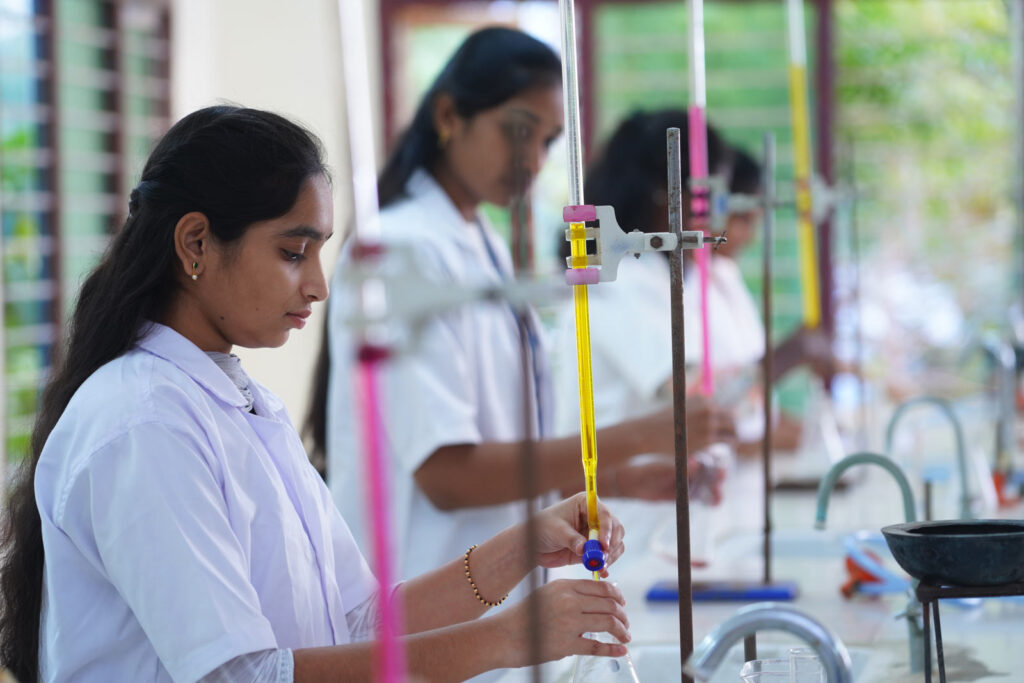
Instrumentation Laboratory
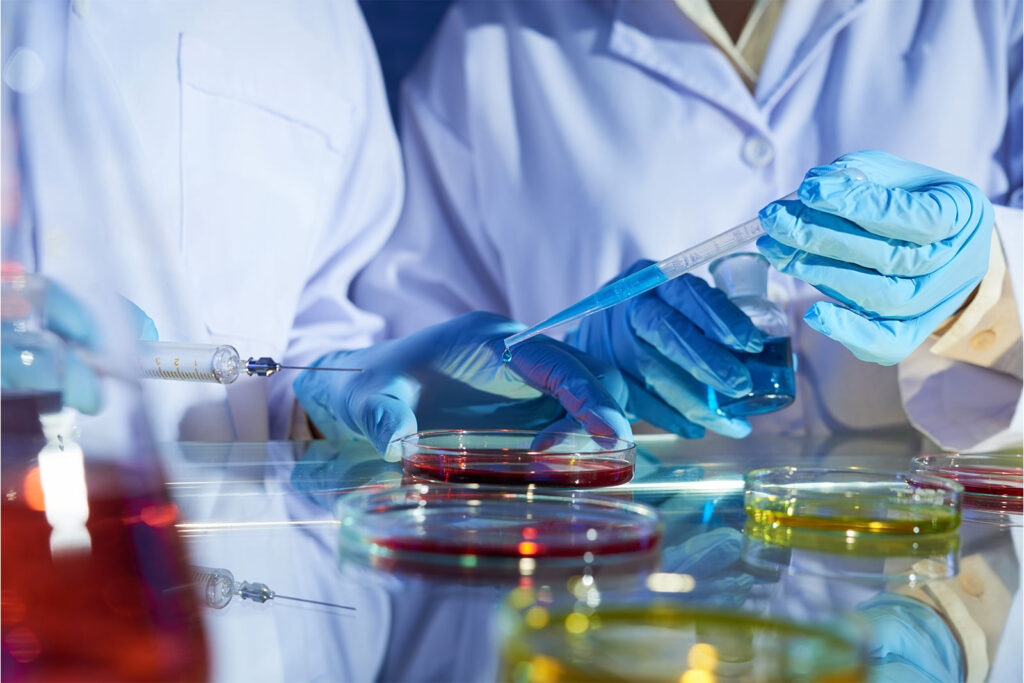
Drug Analysis Laboratory
Students gain hands-on experience using modern instruments and laboratory techniques employed in food processing, microbiological analysis, and chemical testing industries.
Research & Innovation
Research and innovation are integral to the academic culture of the School of Food Technology. Faculty and students actively engage in research related to food safety, food quality enhancement, preservation technologies, nutritional sciences, food microbiology, packaging innovations, and sustainable food systems.
The school promotes interdisciplinary collaboration, participation in scientific conferences, research projects, and innovation initiatives that contribute to advancements in food science and technology.
Career Opportunities
Graduates can pursue rewarding careers across food processing, manufacturing, quality assurance, research, and regulatory sectors.
- Food Technologist
- Quality Control Executive
- Food Safety Officer
- Production Executive
- Food Safety Specialist
- Food Quality Manager
- Food Production Supervisor
- Research Scientist
Industry & Professional Exposure
The school maintains strong collaborations with food processing industries, dairy and beverage companies, quality testing laboratories, research organizations, and regulatory agencies. These partnerships provide students with internships, industrial training, project opportunities, and practical exposure to modern food industry practices.
Such engagement enables students to understand industry standards, food safety regulations, emerging technologies, quality management systems, and market requirements while preparing them for successful careers.
Student Development
The School of Food Technology provides students with opportunities to engage in workshops, technical seminars, industrial visits, food exhibitions, innovation challenges, research forums and professional development activities that support holistic learning and career readiness. These activities help students strengthen technical expertise, analytical thinking, problem-solving abilities, communication skills, leadership qualities, teamwork and professional confidence essential for success in the food technology sector.
Join the School of Food Technology, Microbiology & Chemistry
At NRI University, students receive comprehensive education in food technology, microbiology, and chemistry supported by experienced faculty, modern laboratories, industry exposure, and research opportunities. The School of Food Sciences and Applied Life Sciences is committed to developing competent professionals who will contribute to food quality, public health, scientific innovation, and sustainable industrial development.